Have you ever wondered why humans feel disgusted or nauseous when exposed to things that are gross or repulsive? This natural response has evolutionary and psychological roots that help us avoid harmful situations and maintain our well-being. In this article, we will explore the reasons behind these responses and how our brains and bodies react when we encounter things that make us feel uncomfortable.
The Evolutionary Basis of Disgust
Disgust is an emotion that evolved to protect us from potential threats. In ancient times, our ancestors developed an instinctual aversion to certain things, such as spoiled food, bodily fluids, or decaying animals, because these could carry harmful bacteria, viruses, or diseases. This aversion helped humans avoid contamination and stay healthy, ensuring survival. Today, even though modern hygiene practices have minimized the risks, this instinct remains in us.
How the Brain Responds to Disgust
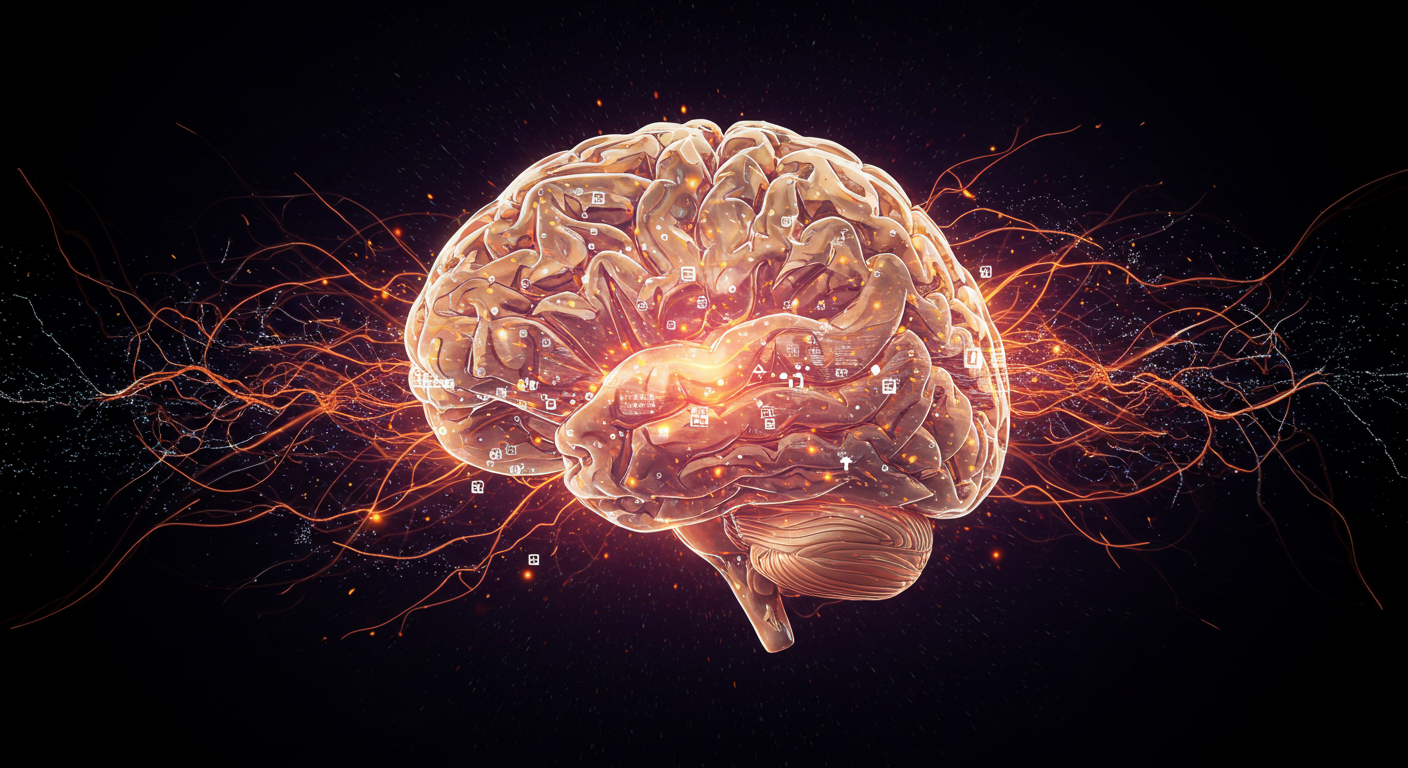
When we encounter something gross, the brain triggers a strong emotional response, causing feelings of nausea, revulsion, or discomfort. The insular cortex, which processes sensory information about taste, smell, and disgust, plays a key role in this reaction. It is closely linked with the amygdala, the part of the brain responsible for processing emotions. The intense reaction we feel is our brain’s way of signaling that something is potentially harmful, even if it’s not immediately life-threatening.
Physical Responses to Disgust
The physical reactions associated with disgust, such as nausea, gagging, or even vomiting, are our body’s defense mechanisms. For example, nausea is a way for the body to prepare to expel something harmful, like when we eat spoiled food. Similarly, vomiting helps eliminate toxins from the stomach. These reactions are a part of the body’s protective system, developed over generations to keep us safe from harm.
Cultural and Individual Variations in Disgust
While disgust is universal, there are cultural and individual differences in what people find disgusting. For instance, certain foods or behaviors that are considered gross in one culture might be completely acceptable in another. Personal experiences, such as past traumas or upbringing, can also shape how sensitive someone is to disgust. Some people may have a stronger emotional or physical reaction to certain stimuli, while others may not be as affected.
Conclusion: Understanding the Science Behind Disgust
The feeling of disgust when exposed to unpleasant or grotesque things is deeply rooted in human evolution, designed to protect us from harmful substances and situations. Our brain’s emotional and physical reactions to disgust help us navigate the world, keeping us safe from contamination and disease. By understanding the science behind disgust, we can better appreciate how our bodies work to ensure our survival, and how these reactions still play a role in modern life.


コメント